Practical sessions for teams and small businesses who have AI available and aren't using it for much beyond tidying up emails. We take the everyday jobs that eat the week (the minutes, the reports, the inbox, the chasing) and set them up during the session, in software you're already allowed to use, with the checking step built in.
Maybe it went like this. The tool got switched on, there was a webinar or a policy email, and six months later a couple of people use it to tidy up emails while everyone else does things the long way.
The part that usually gets skipped is sitting with the people doing the work, taking a job that actually eats their week, and setting it up in front of them, with the check that goes with it. That's the part I do.
So that's the session: real work in, working tools out, and everyone takes theirs home.
All three are hands-on. If your team needs something a different shape or length, say so and we'll build it to fit.
Everyone turns up with one real task they're sick of doing. We build a working tool for it live, together, in your approved software. They keep it and use it the next day.
The same hands-on build work with room to go deeper, plus the governance and ethics module. Full-day sessions cover a set of tools the whole team can share, not just individual ones.
Built to conference workshop format, with written learning outcomes, participant materials and a genuinely interactive structure. Keynotes suit conference programs and in-house leadership days.
On pricing: it depends on the format, the group size, how much gets built beforehand, and whether it's on site. On site outside Tasmania, travel and accommodation are added at cost. Email me for a quote.
Real examples, not demos. We pick the ones that fit your work and build them in the session.
Your team meeting recording goes in. Out come the minutes in your organisation's template, with action items, owners and dates pulled out, ready to send. Once it works, it runs on every recording, and someone still reads the minutes before they go out.
The welcome email, the intake questions, the first-week checklist. Drafted from your own material so every new client gets the same start, and a person reads it before it goes.
The monthly numbers, the exec summary, the end-of-month client update. If it's the same shape every time and the data lives somewhere consistent, AI can draft most of it and wait for you to check it.
Turning constraints, leave, skill mix and preferences into a draft roster a human then adjusts. It never publishes on its own. It just removes the first-draft misery.
Triaging what lands in a team or business address: what's urgent, what's routine, what needs a person, and what can have a drafted reply waiting. The inbox stops being one person's entire morning.
Turning a sixty-page document into something a staff member can ask a plain question of and get the right answer, with the section it came from, so they can check it themselves.
This is how every session runs, not a lecture tacked on at the end. Each job we set up comes with what's safe to put in and who checks what comes out.
The full module goes further. Whose rules apply: your organisation's AI use policy, a client's confidentiality, privacy law. What can and can't go into a prompt, and why taking the names out isn't a tick-box. The gap between the approved tools and the ones people use anyway. And what "a person stays accountable" has to mean in practice when the output goes to a client, a customer or a colleague.
It's built into full-day workshops. For a leadership group or a business owner who wants it on its own, it works as a separate session.
The owner and maybe a couple of people, with the admin landing in the gaps between client work.
The people actually running the admin of a practice or an office, who know precisely where the hours go.
Copilot or ChatGPT approved, a policy somewhere, and not much happening with it yet.
Where Copilot is often the only approved option and the policy constraints are real. A regulated environment is where I learned this, so I build inside the rules rather than around them.
Workshop and keynote formats, written to proposal requirements with measurable learning outcomes.
A practical session members can use on Monday, built around the jobs their businesses actually have.
A career in health leadership, with an MBA and a Grad Cert in health and human services management along the way.
I've sat on the buying side of professional development and written policy in a regulated environment. So I know what it's like to be handed a tool with a policy attached and no time to work out what to do with it, and I know the difference between a constraint that's real and one that's only habit.
I also build the things I teach. My own business runs on AI set-ups I built myself, from scheduled routines and approval steps to the meal plan at home, and I'll show you where each one fell over.
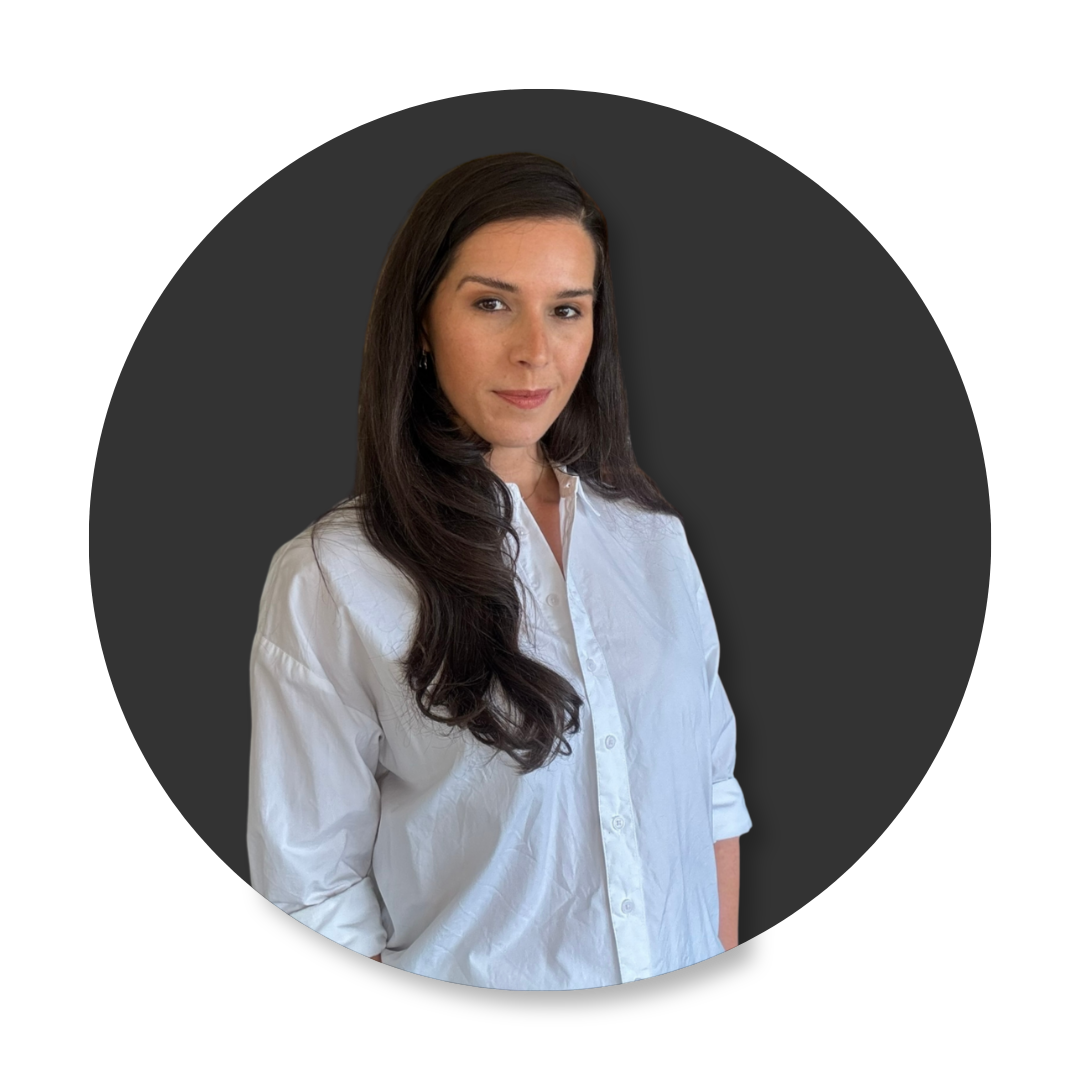
Most sessions run online, over Zoom or Teams, for teams anywhere in Australia. On-site sessions are by request. I'm based in Hobart, and for anywhere outside Tasmania, travel and accommodation are added to the quote at cost.
Whatever your team is already allowed to use, most often Microsoft Copilot or ChatGPT. If there's a policy, we work inside it.
A working set-up for one real job they do every week, built in the session, with the check that goes with it. Not a slide deck.
It depends on the format, the group size and whether it's online or on site. Email me for a quote.
Let's talk
If a workshop isn't the right answer for what you describe, I'll tell you that instead.
Email me with what you're thinking: team size, format, roughly when.